
What $1M to $1.5M Buys in Dover vs Westwood: Space, Style, Commute
What a Seven-Figure Budget Really Looks Like in Dover and Westwood
For buyers shopping in the $1 million to $1.5 million range, the conversation often starts with square footage and ends with lifestyle. In two highly sought-after MetroWest communities, that same budget can lead to very different daily experiences. One leans quieter, greener, and more estate-like; the other tends to offer a more convenience-driven rhythm with easier rail access, active village energy, and a mix of traditional neighborhoods and newer homes.
That contrast is exactly what makes comparing Dover and Westwood so useful. Both are desirable, both are known for strong community appeal, and both attract buyers looking for a polished suburban setting within reach of Boston. Yet the value equation shifts depending on what matters most to you: land, architectural character, turnkey finishes, schools, privacy, or commute simplicity.
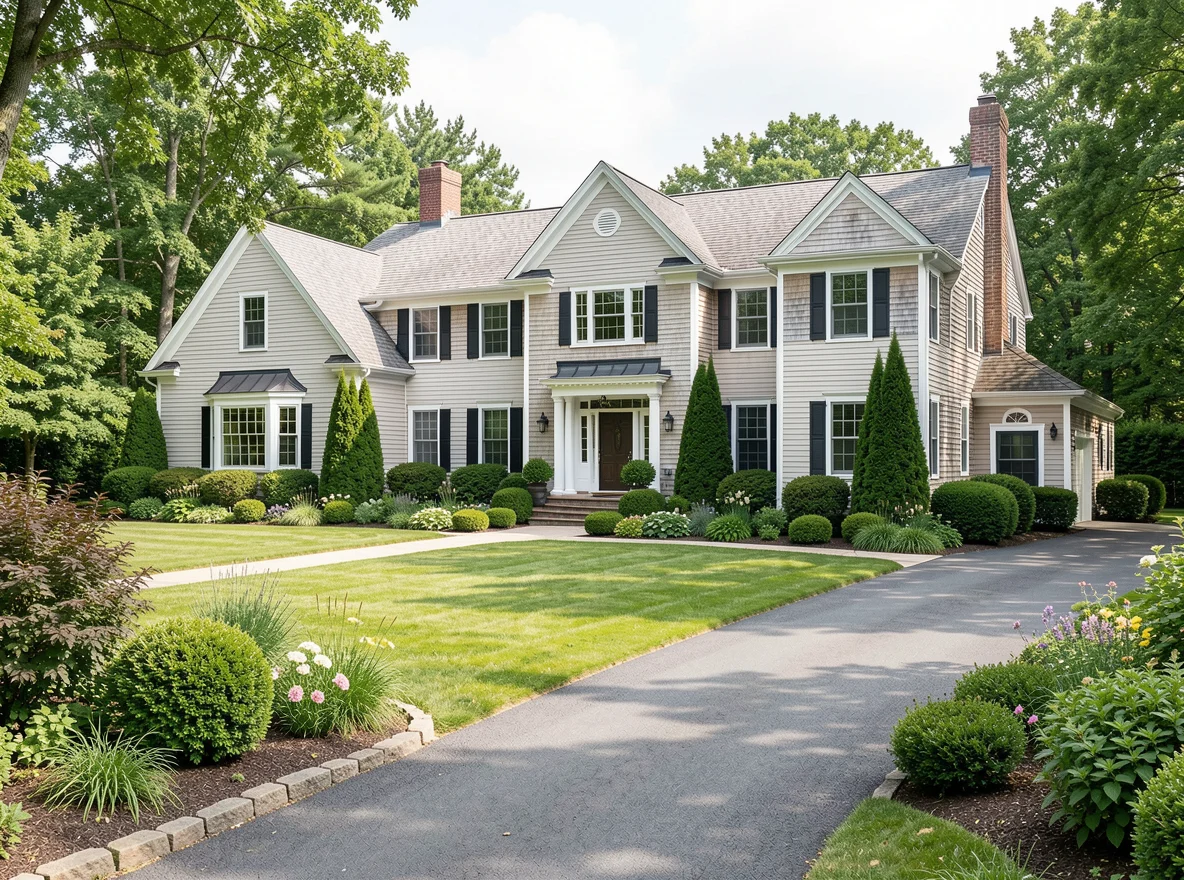
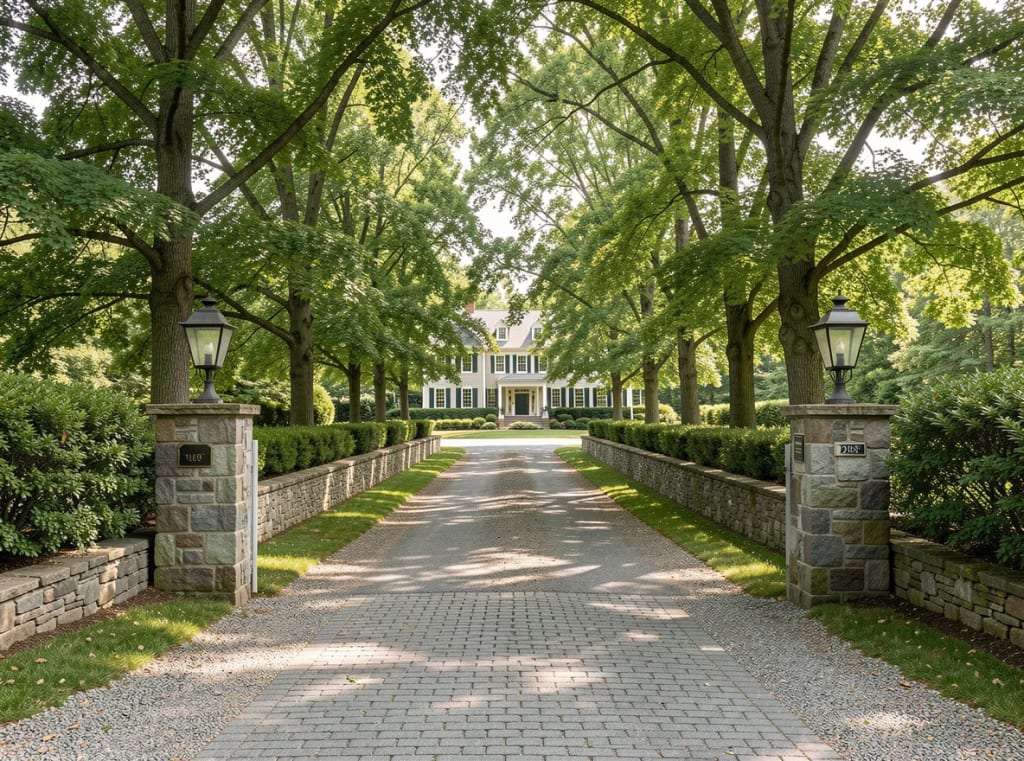
In Dover, this price point often stretches further in terms of lot size and overall sense of seclusion. Buyers may find classic Colonials, expanded capes, and custom homes set well back from the road, with generous yards, stone walls, and a more understated luxury. There is a certain calm to the housing stock here: homes feel rooted in the landscape, and even renovated properties usually retain a timeless, residential feel rather than aiming for flashy presentation.
That extra breathing room is one of Dover’s biggest draws. Larger parcels can support outdoor entertaining, pool potential, gardens, or simply the privacy many buyers struggle to find closer to the city. For households that picture weekends on the patio, kids and dogs roaming the yard, or a home office overlooking trees instead of traffic, Dover often feels like a place where a seven-figure purchase buys not just a house, but a different pace of life.
Westwood, by contrast, frequently delivers a more balanced package of convenience and polish. Within the same budget, buyers may see updated Colonials, attractive split-levels, and newer construction options in neighborhoods that feel more connected to daily amenities. The housing can be tighter in lot size than Dover, but many properties make up for it with refreshed interiors, practical floor plans, and easier proximity to commuter rail, major routes, and local gathering spots.
Space Versus Convenience Is Often the Real Decision
Many buyers initially frame this comparison as rural charm versus suburban accessibility, and there is truth in that. Dover generally wins on land, quiet, and a more tucked-away feeling. Westwood often wins on ease. If your week involves regular commuting, school drop-offs, activities, and quick errands, Westwood’s layout may simply make life smoother. That kind of convenience has real value, especially when paired with attractive neighborhoods and strong long-term appeal.
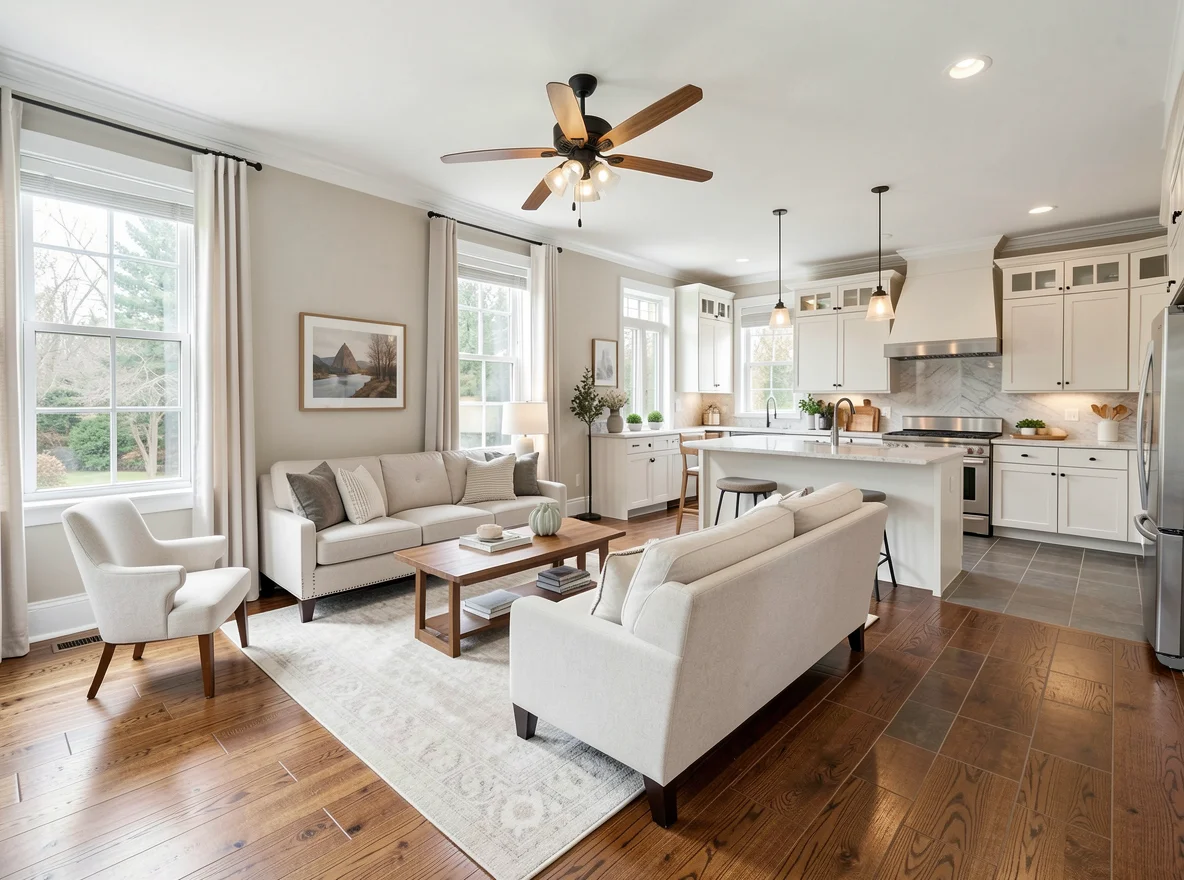
Interior style also tends to vary in subtle but important ways. In Dover, homes in this range may offer larger rooms, more traditional layouts, and architectural details that feel custom or inherited over time. Renovations may be thoughtful rather than trendy, with emphasis on craftsmanship, built-ins, and durable finishes. In Westwood, buyers are often more likely to encounter open kitchens, refreshed baths, finished lower levels, and updates that align with current lifestyle expectations right away.
Commuters often feel the distinction most clearly. Westwood’s access to Route 128, Amtrak, and commuter rail can be a major advantage for professionals who need to get into Boston or beyond with consistency. Dover can still work well for many buyers, but the experience is usually more car-dependent and a bit more deliberately residential. For some, that is the entire point. For others, especially those with packed weekday schedules, Westwood’s transportation options become a deciding factor.
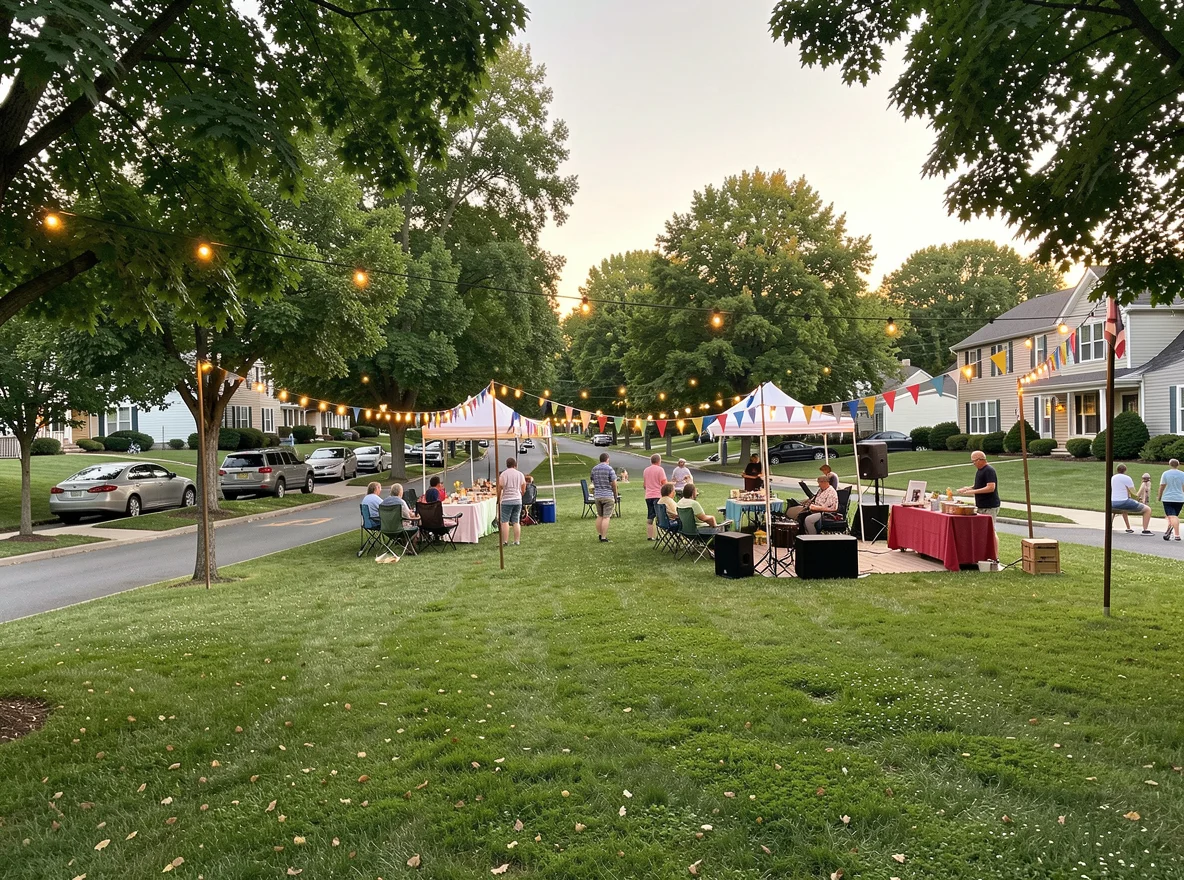
Community character matters just as much as floor plans. Dover is known for an equestrian, scenic, and low-density atmosphere that feels distinctly removed from the rush of nearby suburbs. Trails, conservation land, and winding roads shape the mood. Westwood offers a more visibly active town feel, with neighborhood connectivity, recreation options, and a rhythm that can feel especially appealing to buyers who want community life close at hand without giving up an upscale setting.
Schools are another reason both towns remain firmly on buyers’ short lists. Families are often drawn to the strong academic reputation associated with these communities, and that reputation supports demand across market cycles. At this price point, buyers are not just purchasing a property; they are also buying into a town identity, peer community, and long-term resale story. That is why homes in both Dover and Westwood tend to attract careful, serious interest when priced and presented well.
How Lifestyle Shapes Value at This Price Point
A buyer who wants a larger lot, room to expand, and a more private backdrop may feel that Dover offers the better value even if the home needs cosmetic updates. Someone else may prefer a smaller yard and less isolation if it means a more turnkey house and a simpler commute in Westwood. Neither choice is inherently better. The stronger fit depends on whether your ideal day starts with birdsong and wooded views or with efficient access to trains, schools, and errands.
It is also worth noting that the $1 million to $1.5 million range is often where expectations rise quickly. Buyers want quality construction, strong systems, appealing kitchens, usable outdoor space, and a location that supports future resale. In both towns, standout properties are the ones that align house and setting. A beautifully updated home on an awkward lot may not resonate as strongly as a well-maintained home whose layout, landscape, and location all work together.
For that reason, local guidance matters. Evaluating these two towns goes beyond comparing list prices online. Buyers benefit from understanding how inventory behaves, which streets carry a premium, where renovation value is strongest, and how to weigh commute tradeoffs against lot size and privacy. Thoughtful representation can help narrow the field quickly and keep the search grounded in real priorities instead of broad assumptions.
With a client approach centered on respect, professionalism, and integrity, Lydia Clevenger of Berkshire Hathaway HomeServices Commonwealth Real Estate helps buyers evaluate those nuances carefully across Medfield and surrounding Massachusetts communities. In a market where two towns can offer very different versions of “value” at the same price, that kind of serious, informed guidance is what turns a broad search into the right move. If you are deciding between Dover and Westwood, the best question may not be what your budget buys, but which version of home truly fits the life you want to live.