
7 Medfield Neighborhood Clues First-Time Buyers Often Miss
7 Medfield Neighborhood Clues First-Time Buyers Often Miss
Buying your first home in Medfield can feel refreshingly straightforward at a glance: leafy streets, strong community pride, appealing homes, and that unmistakable small-town Massachusetts character. But first impressions rarely tell the full story. The details that shape daily life—how a street feels at 7:30 a.m., how close you are to trail access, how a neighborhood transitions from one block to the next—often matter just as much as square footage or finishes.
For first-time buyers, the smartest move is to look beyond listing photos and ask what it would really feel like to live there year-round. In a place like Medfield, where charm and practicality often go hand in hand, subtle neighborhood clues can reveal whether a home is simply attractive or genuinely well-suited to your lifestyle. These are the signs many buyers overlook at first, and the ones seasoned local professionals know to watch carefully.
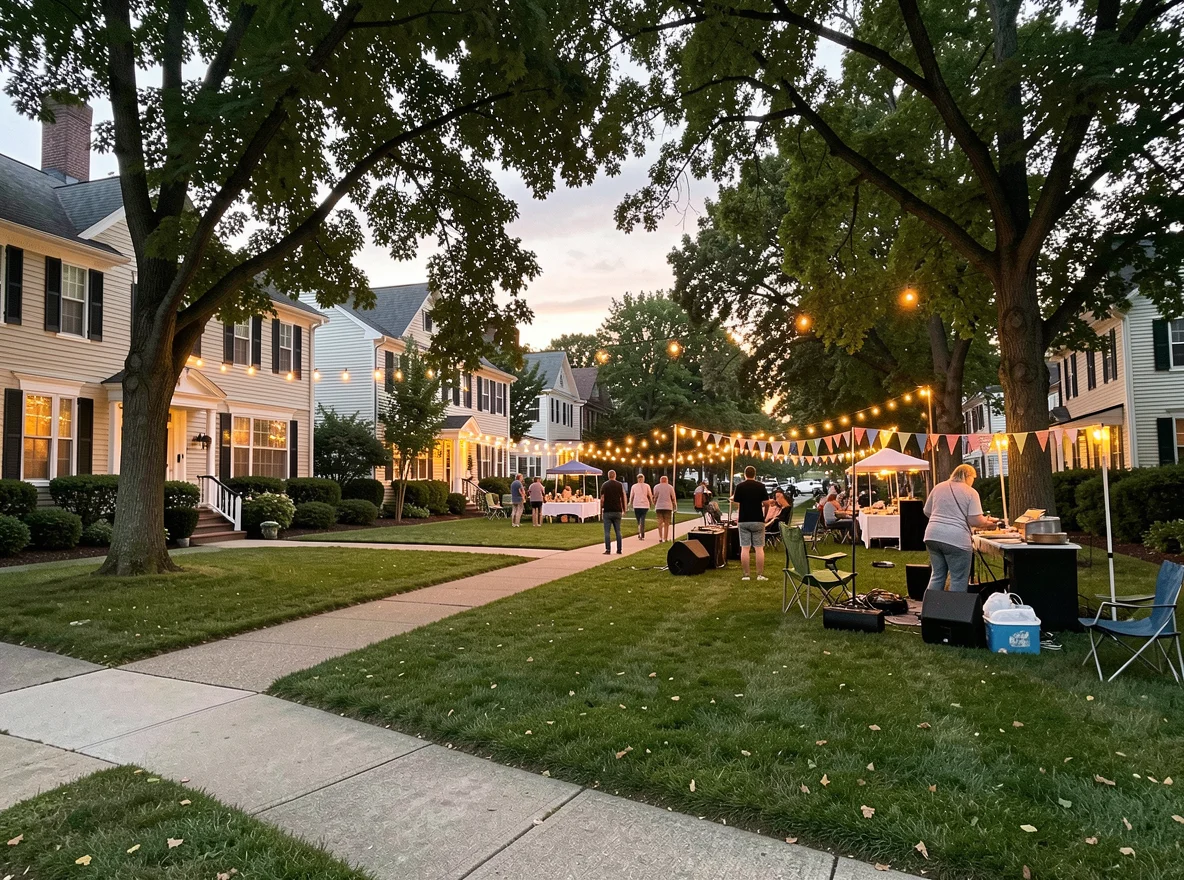
1. Watch the rhythm of the street, not just the house. A beautifully maintained property can still sit on a block that functions very differently from what you imagined. Spend time noticing traffic flow, parked cars, walking patterns, and noise levels. Some Medfield streets feel tucked away and quiet even when they are near conveniences, while others may see more school drop-off activity, commuter movement, or weekend circulation than a quick showing suggests. A neighborhood’s rhythm affects everything from sleep quality to how comfortable you feel walking the dog after dinner.
2. Look for signs of long-term care across neighboring properties. First-time buyers often focus intensely on the target home and underestimate the influence of nearby homes. In Medfield, consistent upkeep usually signals pride of ownership and a stable residential feel. That does not mean every lawn needs to look perfect, but details matter: trimmed landscaping, maintained roofs, cared-for driveways, and thoughtful seasonal upkeep often suggest a neighborhood where owners are invested. Those clues can support long-term value and make your day-to-day surroundings feel more settled and welcoming.
3. Pay attention to how close “close to town” really is. Many buyers love the idea of easy access to local dining, schools, and community events, but there is a big difference between being a pleasant walk away and needing to drive every time. In Medfield, proximity to the town center, library, parks, and recreational amenities can shape how often you actually use them. If a neighborhood encourages spontaneous errands, casual strolls, and easy participation in local life, it can make a first home feel larger than its floor plan because the community itself becomes part of your living space.
The Clues That Show Up After the Showing
Some of the most important neighborhood indicators are easy to miss because they are not dramatic. They reveal themselves in practical ways once you imagine your routines. That is why experienced guidance matters: not just opening doors, but helping buyers read the context around them.
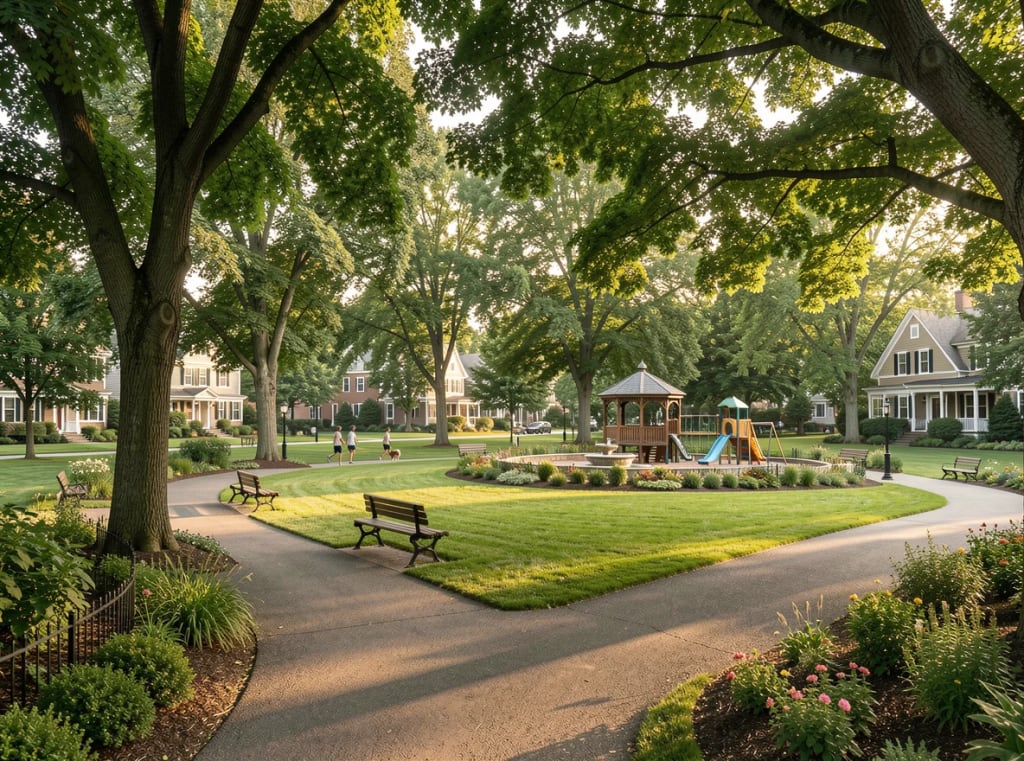
4. Notice access to outdoor recreation and open space. Medfield’s appeal is closely tied to its balance of neighborhood living and natural surroundings. Trails, conservation land, athletic fields, and quiet green spaces are not just amenities on paper—they influence how a neighborhood feels. A home near walking routes or open land may offer a greater sense of breathing room, while still keeping you connected to schools and local services. For buyers who value an active lifestyle, these subtle location advantages often become favorite parts of the move.
5. Study morning and afternoon convenience patterns. A neighborhood can feel calm on a Saturday afternoon and operate very differently on a weekday. Test drive the route to commuter roads, schools, and everyday essentials. Time how long it takes to get where you need to go. In Medfield and surrounding communities, convenience is often less about raw distance and more about ease—smooth turns, manageable traffic, and direct access to the places you will use most. Those practical details become part of your quality of life very quickly.
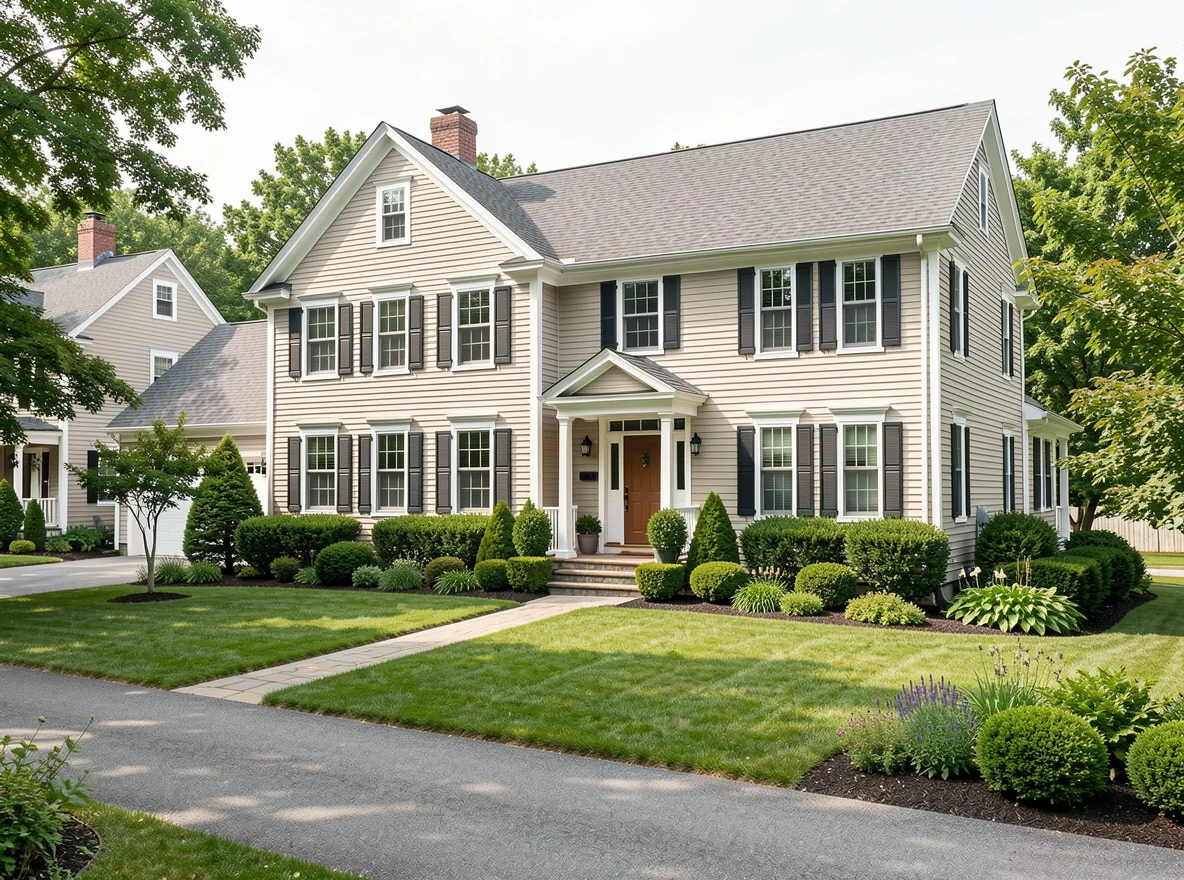
6. Consider the age mix and style mix of nearby homes. First-time buyers sometimes assume consistency is always best, but a healthy neighborhood often has a natural mix—updated colonials, classic capes, expanded family homes, and thoughtfully maintained older properties. In Medfield, that architectural variety can create character and indicate ongoing reinvestment. When you see tasteful updates alongside original charm, it may suggest a neighborhood where homeowners stay, improve, and adapt their homes over time rather than treating the area as temporary.
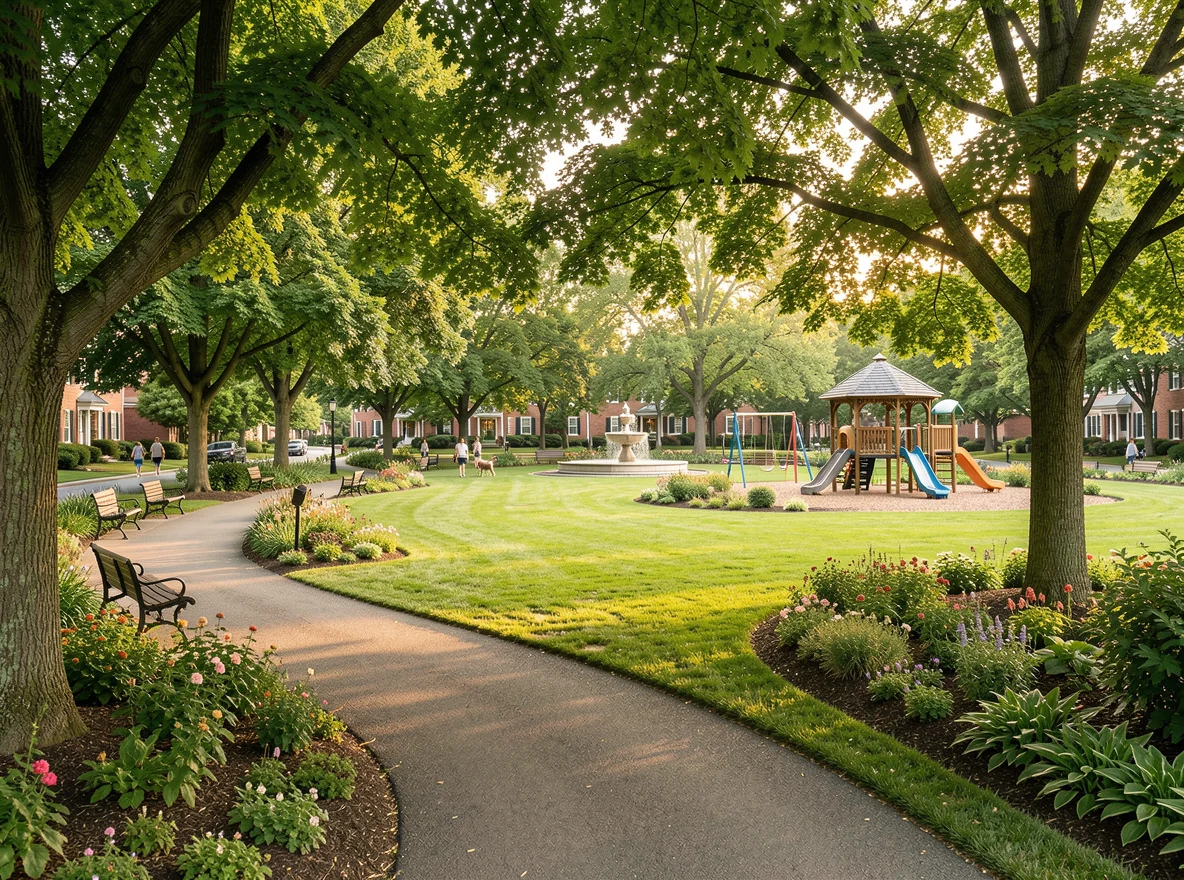
7. Look for signs of real community, not just curb appeal. Do you see porches that feel used, sidewalks that connect naturally, playgrounds with regular activity nearby, or homes arranged in a way that encourages interaction without sacrificing privacy? These subtle features help define whether a neighborhood feels isolated or connected. For many first-time buyers, especially those planning to stay for several years, that sense of belonging matters as much as granite counters or an extra half bath.
Schools also deserve a thoughtful mention here, even for buyers who are not purchasing with children in mind. Well-regarded schools often influence neighborhood stability, buyer demand, and resale strength. In Medfield, educational reputation is part of the broader appeal of the community, and it often supports long-term confidence in a purchase. Likewise, nearby dining and daily conveniences may not dominate the home search at first, but easy access to local gathering spots and essentials tends to make life smoother and more enjoyable over time.
Why Local Perspective Makes a Difference
The real estate market is not just about homes; it is about context, timing, and fit. Two properties with similar prices can offer very different neighborhood experiences, and first-time buyers do not always know which questions to ask. That is where a grounded, respectful approach becomes invaluable. Working with a professional who understands Medfield’s character can help you weigh not only the listing details, but also the lived reality of each location.
Berkshire Hathaway HomeServices Commonwealth Real Estate, with Lydia Clevenger’s client-first approach, emphasizes integrity, professionalism, and careful attention to what matters most to buyers. For first-time purchasers, that can mean slowing the process down just enough to notice the clues hidden in plain sight: the way a block feels, the strength of surrounding upkeep, the usefulness of nearby amenities, and the long-term potential of the neighborhood as a whole.
In the end, the best first home is rarely the one that simply checks the most boxes on paper. It is the one that supports your routines, reflects your priorities, and places you in a part of town that feels right when the excitement of closing day fades into everyday life. Medfield offers plenty to love, from community warmth and recreation to strong amenities and enduring appeal. If you learn to read the neighborhood as carefully as the house, you will make a smarter decision—and likely a happier one.
That extra attention can turn a stressful first purchase into a confident step forward. And in a market where subtle distinctions matter, those overlooked neighborhood clues can become the reason you choose not just a house, but the right place to call home.